|
|
| Overview |
Teachers at any grade level who work with students that bring varied strengths, needs, cultures, languages, interests, and school experiences into the classroom face a core question: Can I teach each learner well if I rely on the fixed, traditional image of a “good classroom” shaped by my own experience? Most teachers know the answer is no, yet habit, leadership expectations, and limited models of alternatives make change difficult. The challenge is less about understanding learner centered classrooms and more about releasing familiar, rigid practices.
This webinar helps teachers and those who support them envision learner centered classrooms and explore steps toward what researchers call “orderly flexible classrooms.”
Orderly classrooms provide the predictability essential for safety and for shifting from survival mode to meaningful teaching and learning. Flexible classrooms allow teachers to respond to diverse learners by creating multiple pathways to success, supporting complex thinking and problem solving, and strengthening self regulation. Because they honor student choice and voice, they increase ownership, engagement, and motivation.
The webinar offers practical ways to build classroom frameworks that make space for students’ varied needs, strengths, languages, cultures, and interests-while promoting deeper, richer learning as well. |
|
| |
| Agenda: |
This 4-webinar series explores the following topics:
Session 1
Laying a foundation for growth and change
Who do we teach? What do we know about their needs? What beliefs lead to learner-centered classrooms? What does evidence suggest about the nature of effective learning opportunities for young people? What goals, aspirations, or hopes would you have for a more responsive classroom? Why are we often “stuck” in place with classrooms that are rigid and provide little meaningful voice or choice for students? Who do you want to be for your students? What are your “Yes, buts”?
Session 2
What does it mean to be a leader worthy of students’ trust, and why does it matter to lead first? What questions might your students ask about differentiation?
Can you know your students well enough to teach them more effectively? What might “knowing them” involve-room arrangement, agreements, routines, time use, grouping, expectations for quality work?
Why involve students in creating a classroom that works for everyone? What might those conversations look like, and when would they happen? What does it mean to build a community of learners, and why does that matter?
How can students become a teacher's partners in shaping a classroom that serves all learners? What does it mean to plan proactively for potential “hot spots” in an orderly flexible classroom-and to respond productively when things go sideways?
Session 3:
Starting the change process-and keeping it growing
How do teachers think about both instructional planning as well as routines, practices, etc. so the two align? What does it look like to get started with more learner-centered practices—where to begin? What skills and attitudes do you need to model for and teach your students so they develop agency as learners in an orderly-flexible classroom? How do you know what’s working and what needs attention for individuals and the class as a whole? How can you create an on-going conversation about how the class is working for them and how, together, you can make it work even better?
Session 4:
Looking at the big picture in some learner-friendly classrooms-and smaller components that make them work or inhibit their success
Cases in point. What’s going on in this scenario? What would you say to the teacher-or ask? What would you like to ask specific students-or the class? What do you learn in a scenario that reinforces your thinking, surprises you, or makes you doubtful?
What are your takeaways from these sessions that will support your thinking about and acting on the kind of classroom environment that you want to lead for the diverse students you teach? |
| Potential Audience: |
| K-12 teachers, university teacher-educators, curriculum coordinators, instructional specialists, teacher leaders, instructional coaches, staff developers, and school leaders who want to guide and learn along with their teachers. |
|
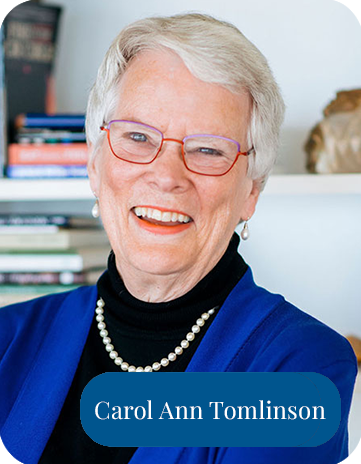
| About Carol Ann Tomlinson |
Carol Ann Tomlinson is William Clay Parrish, Jr. Professor Emerita at the University of Virginia's School of Education and Human Development, where she served for 19 years-ten of those as Department Chair. Before that, she spent 21 years as a public-school teacher, teaching in high school, preschool, and middle school, and administering district programs for struggling and advanced learners. She was Virginia's Teacher of the Year in 1974.
Carol was named Outstanding Professor at UVa in 2004 and received an All-University Teaching Award in 2008. Since 2013, she has appeared in Education Week's EduScholar Rankings among the top 15 U.S. university-based academics contributing most substantially to public debates about schools and schooling, and among the top 5 voices in curriculum and instruction. She has authored over 300 books, chapters, articles, and other educational materials. Her books appear in 15 languages. She continues working nationally and internationally with educators seeking effective classrooms for diverse learners. |
| Dates & Timings |
January 19th, 21st, 26th & 28th, 2027
Each session is for 2 hours
New York 7:00 am | London 12:00 pm | Zurich 1:00 pm | Dubai 4:00 pm
India 5:30 pm | Hong Kong 8:00 pm | Melbourne 11:00 pm
Note: This workshop will be recorded
Please click here to check your time for the workshop |
| Investment |
USD 500 Closing Date 10th January 2027
Includes: Certificate of Participation for 10 Professional Development Hours. |
 |
|
|
| Upcoming Workshops |
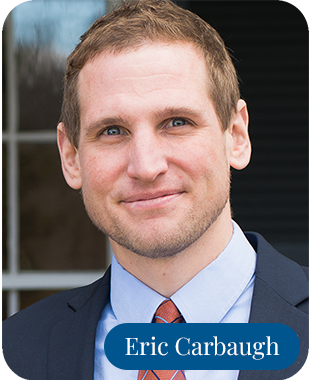 |
| Differentiated Instructions Meets AI – Partnering with Generative Tools to Support Student Learning |
| This session will explore the foundational principles of a differentiated classroom and how they intersect with the emerging use of AI in teaching and learning. |
 October 15th, 22nd, 29th & November 5th, 2026 October 15th, 22nd, 29th & November 5th, 2026 |
 USD 450 Closing Date 1st October 2026 USD 450 Closing Date 1st October 2026 |
|
 |
|
|
| |
| |
 |
| Curriculum Mapping for Modern Learning: Bundling Standards, Aligning Assessments, and Engaging Students and Faculty |
| How can we create a living breathing curriculum responsive to the learners in our care? How can we support a culture of collaboration between teachers to develop a pathway of engaging learning experiences both vertically and across the school year? |
| November 9th, 16th & 23rd, 2026 |
| USD 400 Closing Date 5th November 2026 |
|
|
|
|
| |
| |
| |
|
|
|
|